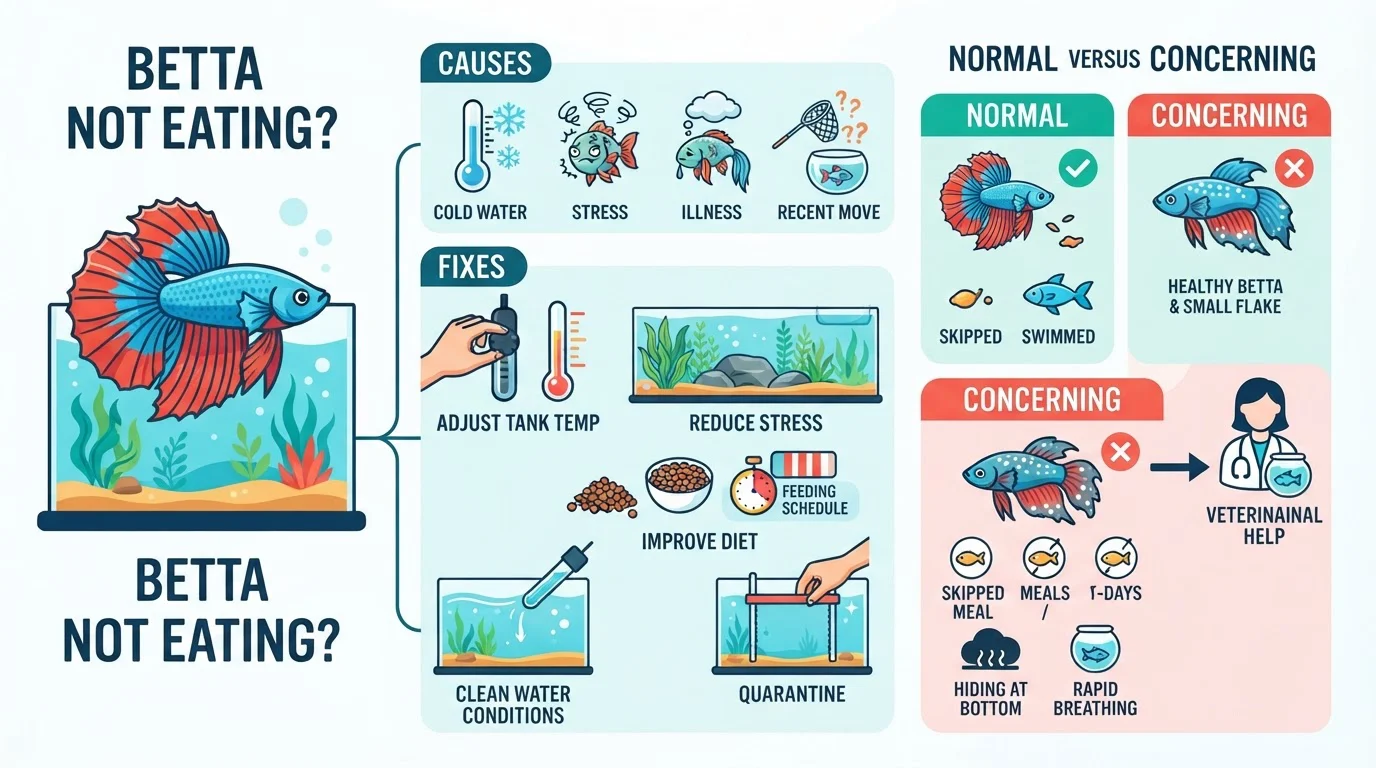
A betta that skips a meal or two usually isn’t cause for alarm. Stress, illness, cold water, or a recent move explain most longer refusals.
Recognizing Normal Versus Concerning
Not every skipped meal signals a real problem. Knowing what counts as normal helps avoid unnecessary worry during the occasional off day.
Self-Regulation and Confirming Real Eating
A real, if limited, ability to sense a full stomach describes betta self-regulation around meals fairly accurately. This instinct isn’t perfectly reliable in every fish, though, so watching portion size still matters day to day.
Watching closely during feeding, rather than assuming food disappeared, answers most concerns about confirming a betta is eating. Food sometimes vanishes into the filter or gets pulled under decor. This creates a false impression that a meal got eaten.
A clear view of the mouth moving, chewing, and swallowing offers the only real proof. Cloudy water or heavy plant cover sometimes makes this harder to see. A brief, focused check during feeding time helps confirm what’s happening.
How Long Is Too Long Without Food
A little patience helps here, since short refusals happen more often than most new owners expect.
The Safe Refusal Window
Most healthy adults tolerate one to two weeks without food, relying on stored energy reserves. Understanding the safe window for skipping food starts with this same rough range. Real risk grows the longer a fast stretches on.
Muscle loss and a weakened immune system become more likely well before that outer limit gets reached. Health, age, and existing stress level all shift this timeframe considerably from one fish to the next.
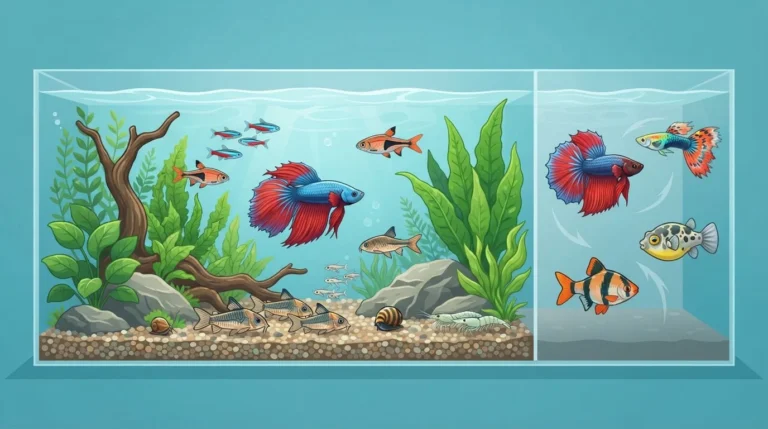
Right after a big tank change or a move explains most cases of betta fish refusing food entirely. New tank mates often trigger this too. This timing pattern shows up again and again across owner reports and breeder observations alike.
Common Causes Behind a Food Strike
Several everyday issues explain most cases of a betta suddenly losing interest in food. Stress ranks among the most common triggers by a wide margin.
Stress and Environmental Triggers
Sudden water changes, new tank mates, or an unfamiliar environment sit behind a long list of stressors. This answers most concerns about why bettas refuse food. Cold water plays a role here too, worth flagging separately from stress alone.
A sluggish, cold betta often shows reduced appetite alongside its slower overall movement. Testing tank temperature rules out this simple physical cause before assuming the problem runs deeper than that.
Clamped fins, unusual spots, or lethargy alongside a food strike all point toward illness. This deserves real attention whenever bettas stop eating suddenly. Ruling out disease early prevents a minor issue from turning serious.
Coaxing a Reluctant Betta to Eat
Once serious illness gets ruled out, a few practical steps often coax a stubborn eater back to routine.
Encouraging a Stubborn Eater
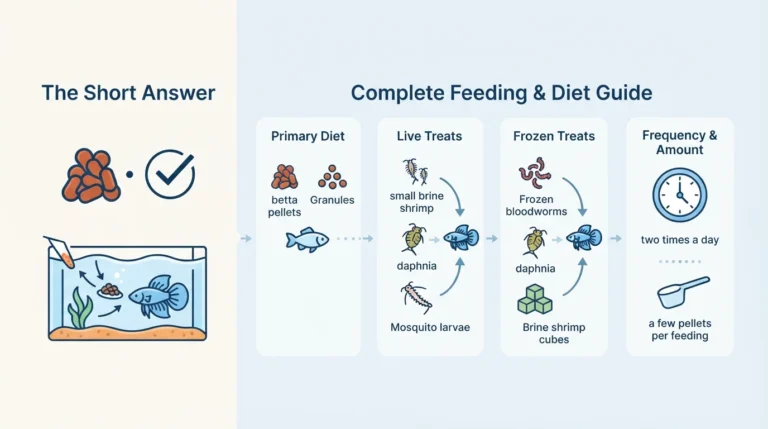
Offering a favorite treat, like bloodworms, works well as a first step toward getting a betta to eat. Reducing stress alongside this treat swap helps considerably too.
Dimming tank lights briefly and cutting back on nearby disturbance both support a calmer feeding attempt. A quieter environment during this window often makes all the difference between success and another skipped meal.
Helping a New Betta Settle In
Patience during the settling-in period answers most concerns about getting a new betta to eat. Transport and unfamiliar surroundings both add real stress that takes days, sometimes longer, to fade.
Offering a familiar food type, if known from the store or a previous owner, sometimes eases this transition. A new betta often responds better to something recognizable than to an entirely unfamiliar brand or format.
What to Do, Step by Step
Pulling everything together, here’s a practical response plan for a betta that’s stopped eating.
The Right Response, in Order
Testing ammonia, nitrite, and temperature catches the most common culprit fast. This answers what to do when a betta stops eating as the first step. Water quality problems explain a surprising share of these cases once tested properly.
Checking for stress sources, like new tank mates or sudden lighting changes, comes next in this sequence. This addresses most concerns about what a betta owner should do once water quality gets ruled out.
A vet consultation becomes worth considering once a full week passes with continued refusal. Persistent refusal alongside other symptoms warrants professional input over continued home troubleshooting.
Working through these steps in order resolves most feeding strikes without lasting harm. Most cases clear up within days once the right cause gets identified and addressed.
Bringing It All Together
Most feeding strikes resolve within a week once the underlying stressor gets identified and addressed. Water quality, recent changes, and illness account for nearly every case covered throughout this guide.
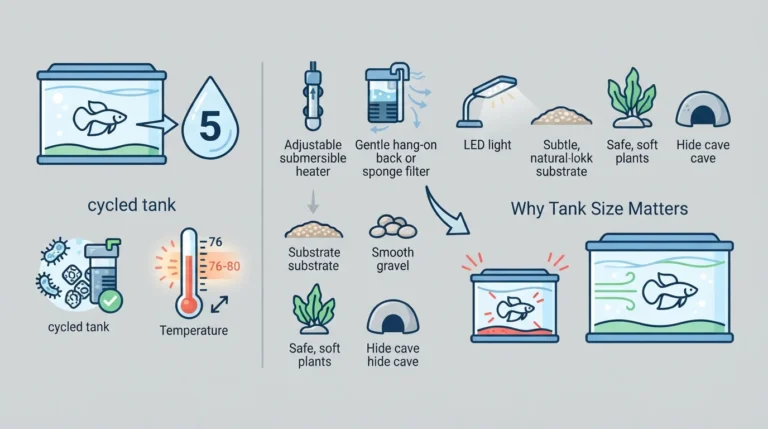
Our betta tank setup guide covers the water conditions that prevent many feeding issues before they even start.
Frequently Asked Questions
Does a change in food brand cause a temporary refusal?
Yes, sometimes. Bettas prove surprisingly particular at times, and a sudden switch in pellet brand occasionally triggers short-lived pickiness.
Does water temperature directly affect appetite?
Yes, considerably. Cold water slows metabolism and appetite together, so a consistently warm tank supports more reliable feeding.
Should feeding attempts continue every day during a food strike?
Yes. Continuing to offer small amounts daily, without overfeeding uneaten food into the water, keeps the routine normal.
Is it normal for older bettas to eat less than younger ones?
Somewhat, yes. A gradual decline in appetite sometimes accompanies aging, distinct from a sudden, complete refusal to eat.
Does overfeeding in the past cause a current refusal?
Indirectly, yes. Chronic overfeeding leads to bloating or digestive discomfort, which sometimes shows up as reduced interest in food.
Does a betta’s fin type affect its feeding routine?
Not directly. Fin length has little bearing on appetite itself, though heavy fins occasionally slow swimming toward food.
Is quarantine relevant to a sudden loss of appetite?
Yes, if a new tank mate joined recently. Isolating the betta helps rule out stress or illness introduced by that addition.
Does tank placement near noise or foot traffic affect feeding?
Yes, somewhat. A tank in a high-traffic area sometimes sees more stress-related feeding issues than one in a quieter spot.
Does a betta refuse food after a water change specifically?
Yes, occasionally. Fresh water sometimes carries a slightly different temperature or chemical balance that briefly throws off appetite.